Ancestral Bone Broth: Simple, Mineral-Rich Nourishment for the Whole Family
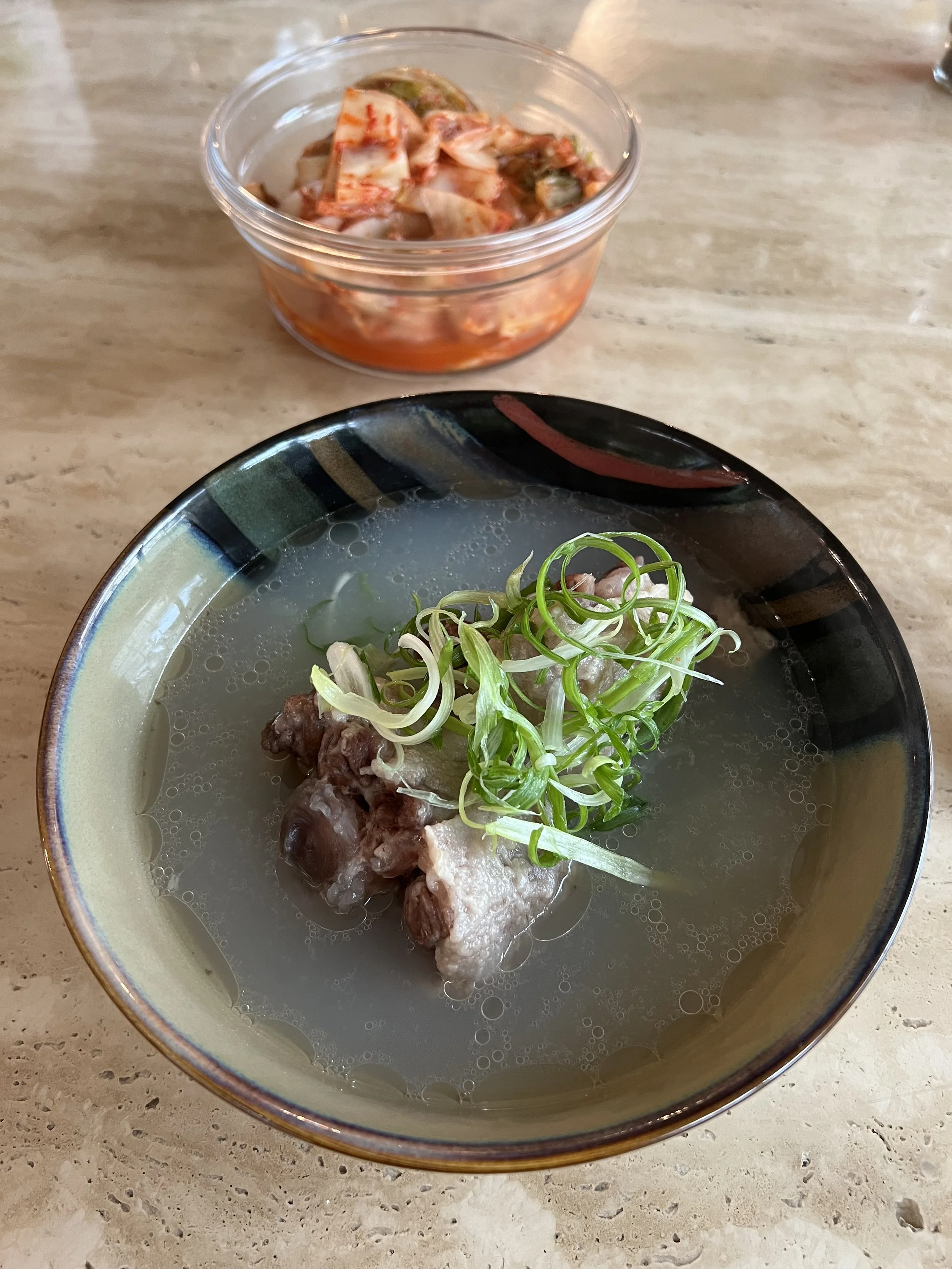
Oxtail with Homemade Broth From Quality Beef
SOURCING NOTE
“For centuries, people drew strength from mineral-rich foods like bone broth… But industrial farming, soil depletion, and food refinement have stripped away the nutrients that once kept us resilient and calm.”
— Jordan Rubin, The Biblio Diet
Many store-bought broths today are not made from 100% grass-fed, grass-finished bones. Often they rely on powders, hides, or lower-quality inputs and also include preservatives / processing aids (chemicals) that don’t align with traditional preparation methods / my gut health needs.
MEAT STRAIGHT FROM THE SOURCE
I choose to source directly from local farmers whose practices & animal feed align with my values—because quality of every bite matters, especially since nourishment & gut healing is priority for my growing family.
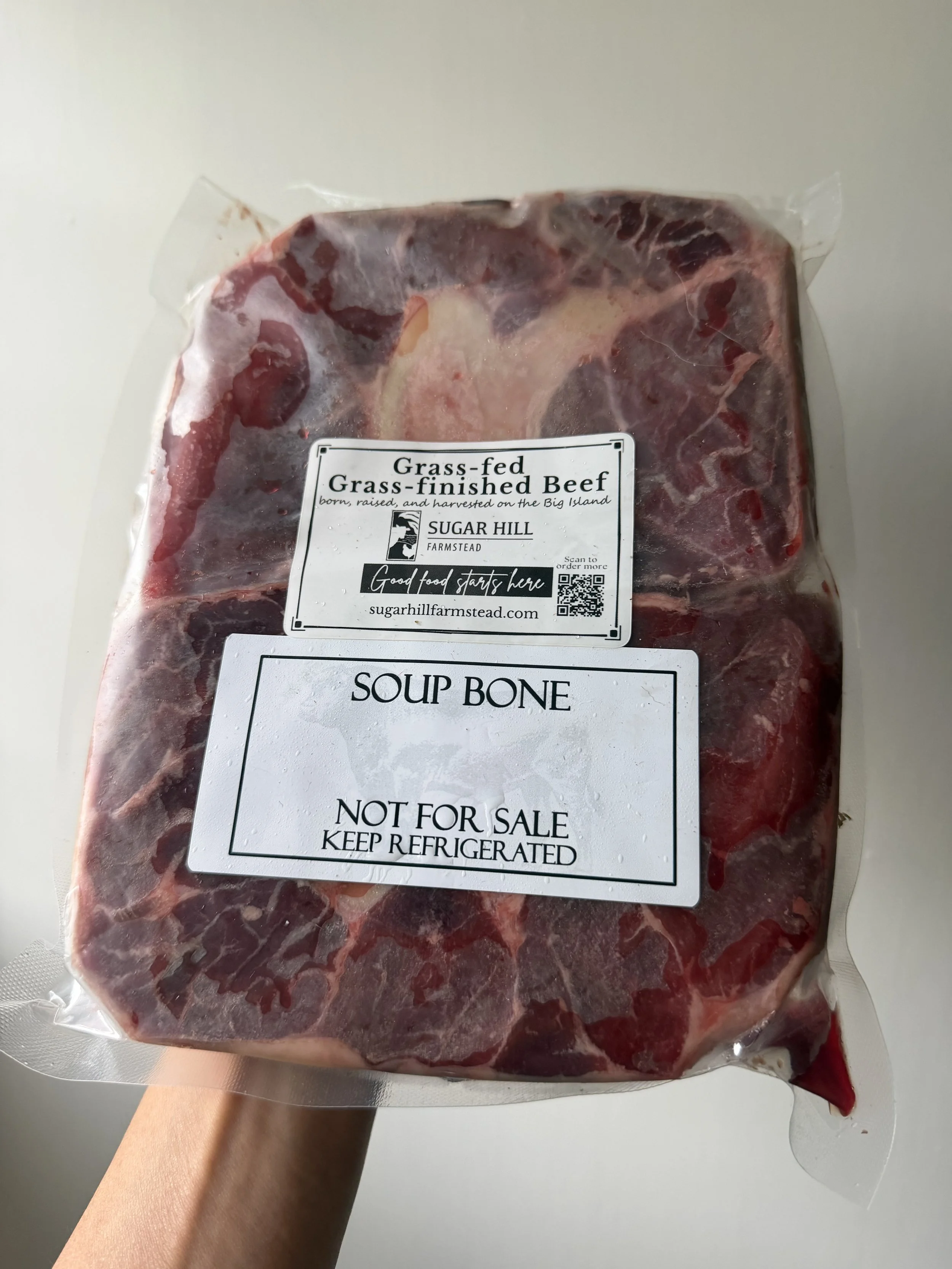
Grass-fed + Grass-finished Beef Bone (always) —
“You are what your food eats too.”
Hawaiian Island friends: Sugar Hill Farmstead is offering a limited-time first-order discount with code MUMWITHABUN25 should you be interested in ordering meat directly from the farmers I have connected extensively with to ensure their practices and beef is quality I can trust. I hope this helps you and your family get some quality meat into your day ♡
BEEF BROTH RECIPE
Ingredients
6-7 beef marrow bones (grass-fed & grass-finished)
Option: bake them & hollow them out first (See here: make the most of the marrow!)
Filtered water
Method
Place bones in a large pot, filling about ¼–⅓ of the pot with bones.
Add filtered water, leaving 1–2 inches of space at the top.
Bring to a gentle boil over medium heat.
Cover, reduce to low, and simmer 4–5 hours
(or 1 hour using a pressure cooker - see note at the end for how I do this).Check occasionally (ever hour or so) to ensure bones remain submerged, adding water as needed.
That’s it.
Note: We’re using high-quality bones, so I don’t skim anything off to toss/trash it. What you’ll see are bits of marrow, connective tissue, and gelatin—exactly what we want.
How I Reuse the Bones
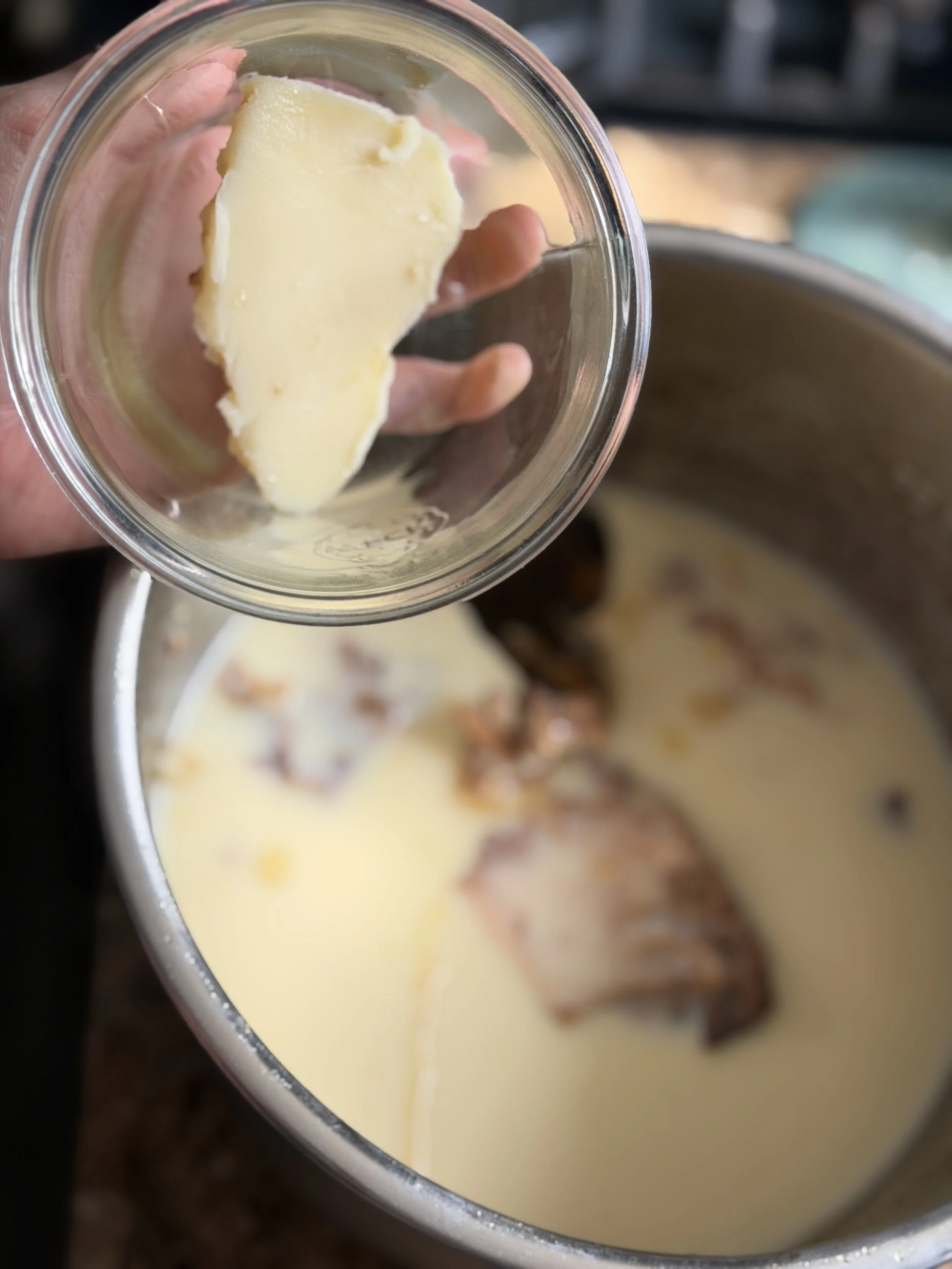
The solidified grass-fed & finished beef fat (tallow) is incredible in quality & value. I do not recommend using/saving animal fat if it’s not high quality.
After the first batch:
Refrigerate the whole pot.
Break off the solidified fat, store, and reuse it as cooking fat (especially healthy for you as long as you are using quality bones as mentioned!)
Ladle the broth into glass airtight jars. Leave bones in pot.
Refill the pot with filtered water and repeat for a second extraction. This is what my Korean mum taught me to do!
(known as remouillage in French cooking)Or pressure cook bones submerged in water for 1 hour with seaweed for a Korean-style seaweed soup!
How to Use Broth
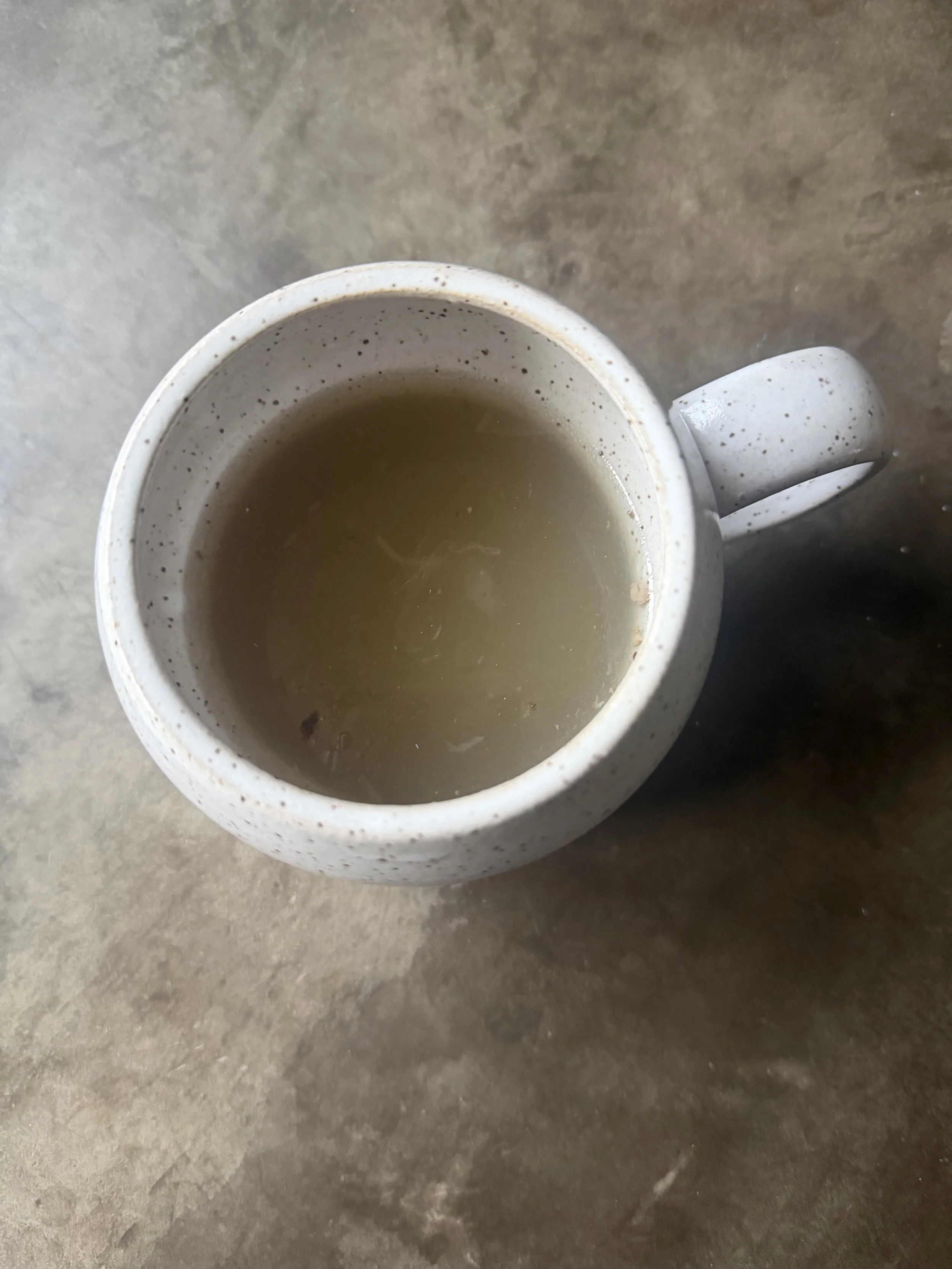
Sprinkle it with a bit of sea salt and now it directly lowers excess stress hormones.
Sip warm like tea (especially in the morning)
Soup base for:
Korean Seaweed Soup
Korean Rice Cake Soup
Korean Kalbi Tang
Replace water with broth when cooking beans, grains, or vegetables (option to use it in sweet cooking/baking too!)
Storage & Reheating
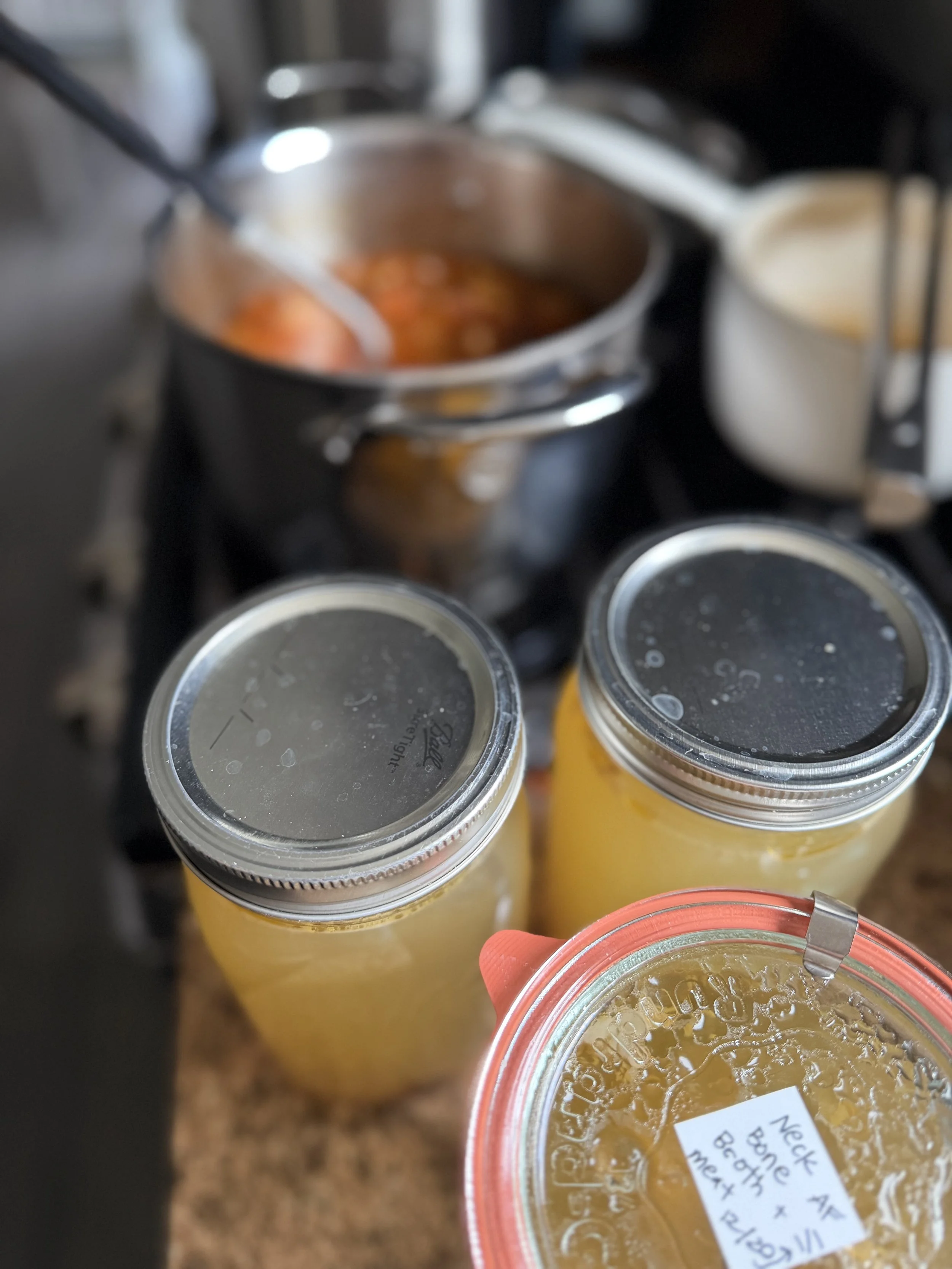
Fridge: Keep the defatted broth in airtight glass containers in the fridge for 3-7 days.
Freezer: Ladle into freezer-safe glass containers - lasts 7 months - 12 months.
““Bones are literally the gift that keeps on giving.””
Homemade Broth FAQ
Q: Which bones do you use?
A: This recipe uses marrow bones because I’m sharing how I cook through a cow share, and that’s what came with mine. Marrow bones are actually my personal favorite because I can get multiple uses from one bag.
I first roast the bones, scoop out the marrow (I use it for cooking and marrow “lollipops” for my kids), and then use the hollowed bones to make broth.
If you’re using other bones, this recipe still works beautifully. Knuckle and joint bones are especially great if your main goal is maximizing gelatin. That said, some people—especially those prone to kidney stones—do better keeping very high gelatin intake moderate.
For these reasons, I’m using marrow bones after removing the marrow — a balanced option.
Q: What do you do with the tallow?
A: We use grass-fed, grass-finished tallow for almost all of our cooking and baking.
Tallow:
Is very stable at high heat and doesn’t oxidize like seed oils
Contains fat-soluble vitamins (A, D, E, K) and CLA when sourced from grass-fed beef
Has a high smoke point (around 400–420°F or higher)
Outside of what comes from our cow shares, the only tallow I use is 100% grass-fed and tested for contaminants from Lineage (linked here).
Q: Do you have a link to these containers?
A: Yes! These are the glass jars with glass lids that I use to store broth. We’ve used this exact brand for over 6 years. They hold just over 2 cups—just be sure to leave a little space at the top before freezing, since liquid expands.
If you prefer plastic lids on the same jars for convenience, I’m linking those as well.
Q: How do you store this?
Fridge: Store defatted broth in airtight glass containers for 3–7 days
Freezer: Freeze in glass containers for 7–12 months
Q: Why is your broth white? I see brown ones at the market!
A: There are several interpretations of what “broth” means. What I make is rooted in my Korean ancestral way of preparing broth, which traditionally results in a lighter, milky-white color.
This comes from:
Long, gentle simmering
Emulsification of minerals, gelatin, and any remaining fats ♡
Most store-bought “broth” is closer to a meat stock—darker, roasted, and likely clarified for consistency and shelf stability. Neither version is “wrong”; they’re just different traditions and there are different intentions.
Q: How many times can you re-use the bones?
A: The best broth extraction you’re going to get is the first one - it’s going to give you the most gelatin / jiggle once it cools (especially if you’re using marrow and knuckle bones). The second broth extraction is still going to be mineral rich but it’s going to be much lighter — perfect for soup bases where you want other ingredients to shine.
My mom has used beef bones for a 3rd batch, but I like to stick to 2 batches max. I have to keep in mind histamine levels for my kids and while it’s cool to embrace the no-waste mentality and cook the bones until they crumble with a decently forced pinch, I like to keep my first time simmer at 5 hours max. and my second extraction at 1 hour max. in a pressure cooker / IP.