How to Properly Prep & Clean Cheesecloth for Cooking
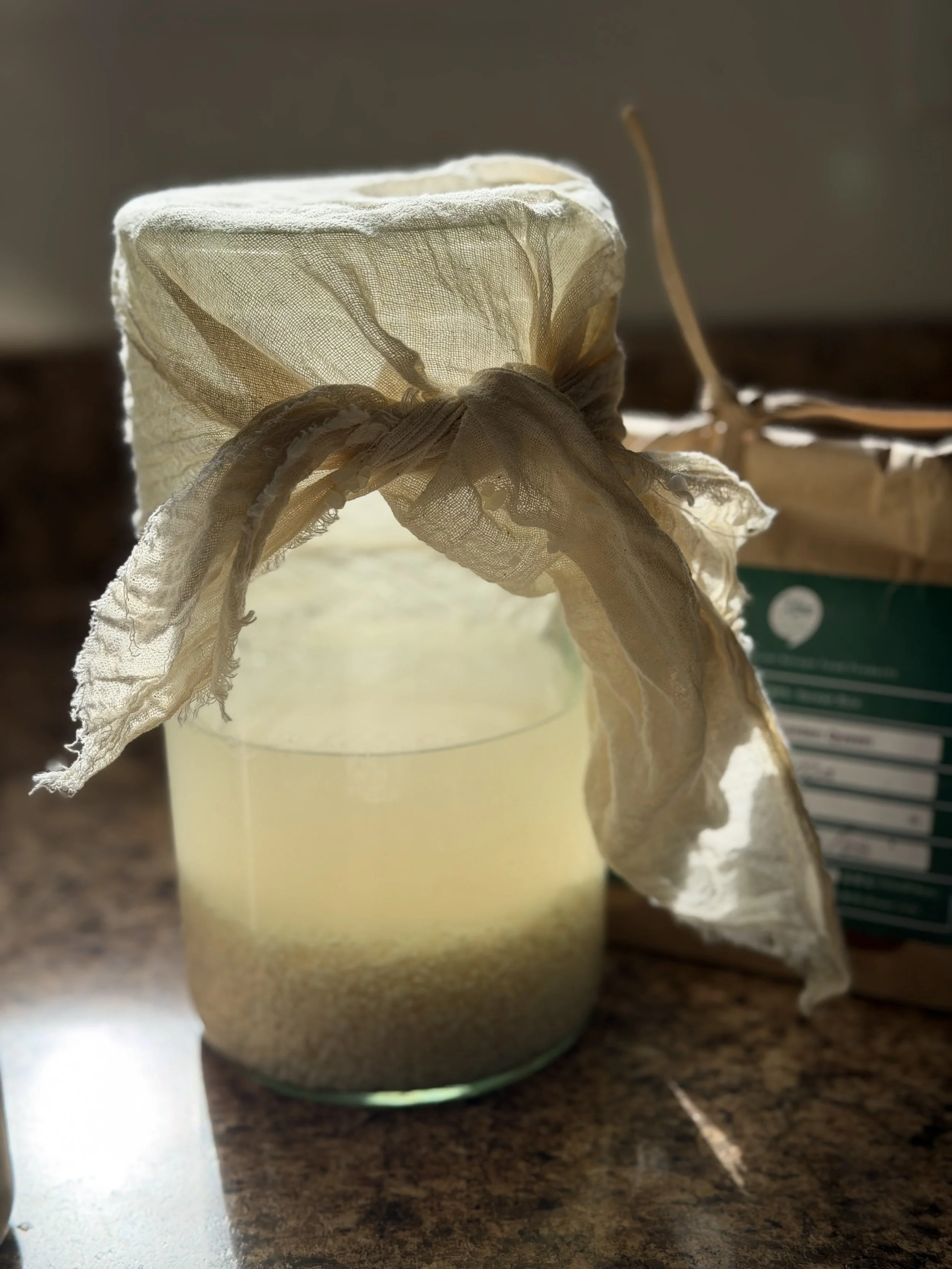
This is the Korean traditional way + chef-standard.
I often get asked which cheese cloth I use.
I use this (unbleached, GOTS certified, organic one)
I didn’t realize that prepping a new cheesecloth makes a world of a difference until I did it. If you’re going this non-toxic cloth bag route, here’s the 1 time prep step worth doing.
PREPPING A NEW CHEESECLOTH
1) Wash WELL
Fact: New cloths shed. And while this cloth is organic, we don’t want to eat cotton fiber.
Wash 2x using:
hot water
mild soap
a good scrub between your hands
Rinse until water runs clear.
2) BOIL THE CHEESECLOTH (The Most Important Step)
Boil for 10 minutes in water.
This:
locks fibers
shrinks the weave (space btwn the thread) tighter
removes loose fluff
sterilizes the cloth
This single step reduces shedding by ~90%
3) SOAK in Salt Water (A Traditional Korean Trick)
After boiling, soak in:
warm water + 1–2 tsp sea salt
for 10 minutes.
This makes the cotton fibers contract = tighter grid = no cloth fiber shedding into food.
4) Wring Out Cloth
Cloth should be:
damp
not dripping
Dripping cloth = fibers loosen + stick to your food.
How I Clean My Cloth After Making Broth
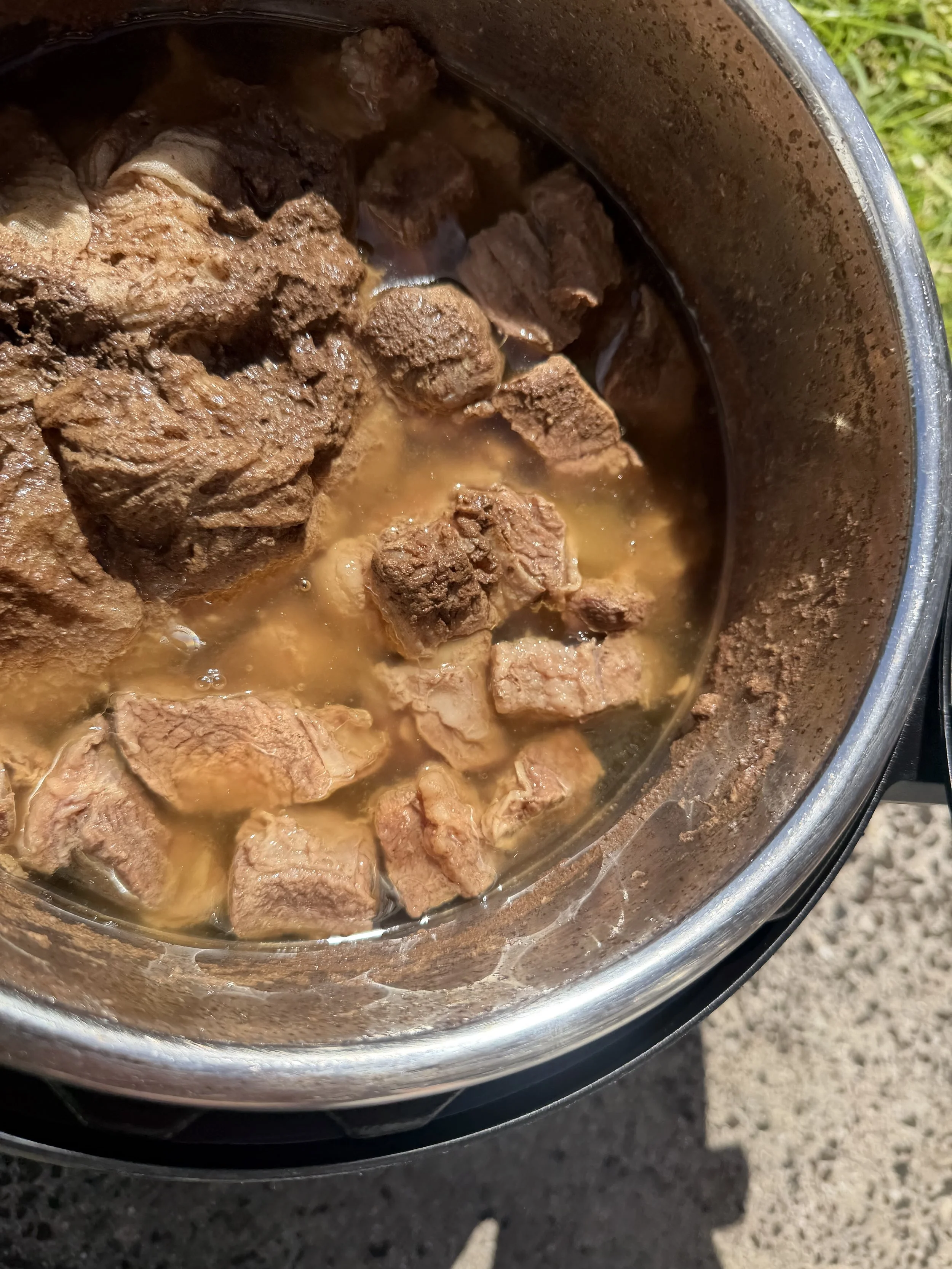
Can you spot the cheese cloth? Hint: See upper left corner of the pot.
The Meat Broth Residue Problem
When you use a cheesecloth in:
Meat stock / anchovy broth
Garlic-y / onion aromatics
Instant Pot pressure cooking
You get:
Coagulated proteins (“meat scum”)
Fat residue
A lingering odor
If those sit or go straight into the washer, they can:
Trap in fibers
Leave an odor
Transfer grease to other laundry
So here’s my jam.
Best Practice: Post-Broth / Cooking Cleaning Routine
1) Rinse Immediately (Timing’s Important!)
Right after removing from broth:
Rinse under hot running water
Massage and squeeze repeatedly
Hot water dissolves fat better than cool water. IYKYK.
2) Simmer to Degrease
Instead of scrubbing immediately with a non-toxic dish soap,
Place the cloth in a small pot with:
Plain water
Optional: 1 tsp baking soda
Simmer gently 5 minutes.
This:
Releases trapped protein
Loosens fat
Neutralizes odor
Re-sterilizes the cloth
This step works better than scrubbing.
3) Gentle Hand Wash (if needed)
If residue remains:
Use a small amount of:
Fragrance-free soap - I get mine from Branch Basics (code MUMWITHABUN)
human-safe, non GMO, no nuts or tree nuts, hypoallergenic, no synthetics
ORNon-Toxic (unscented) detergent - Ex: Truly Free (discount in link)
Massage thoroughly.
Rinse until water runs completely clear.
4) Separate Wash (Recommended)
Wash cheesecloth:
with kitchen towels
Not with your whites/clothes
Why:
Meat fats can cling to fabric
Use:
Hot water
5) Air Dry > Dryer
Dryer is not bad — but air drying is better because:
High heat weakens fibers over time
Air drying keeps weave integrity longer
Hang fully dry.
Shake once dry.
🌿 FAQ
Q: Can I Use Your Salt Soak Trick To Clean Used Cheesecloth?
A: The Korean salt soak method is GREAT for:
New cloth prep
Tightening weave
Reducing lint
BUT you don’t need to repeat salt soak for every wash — only for initial prep or if weave loosens over time.
Q: What’s wrong with scented detergent?
A: It contains fragrance (most are toxic, endocrine, and gut disrupting chemicals) which can be essential oils at best, which are not intended for consumption (you’ll be inadvertently putting it in your food via steam / pressure cooking / boiling)
Q: When should I retire my cheesecloth?
I say replace when you notice:
Persistent odor even after boiling
Visible thinning
Tears forming
Permanent staining that won’t release
If you’re using it often for anchovy/meat broth, consider:
One cloth for meat stocks
One cloth reserved for steaming (ex: rice cakes)
This keeps flavors in your cooking endeavors clean and prevents cross-odor.