The Complete Beginner's Guide to Caring for Yugi (Korean Copper Traditional Bowl)
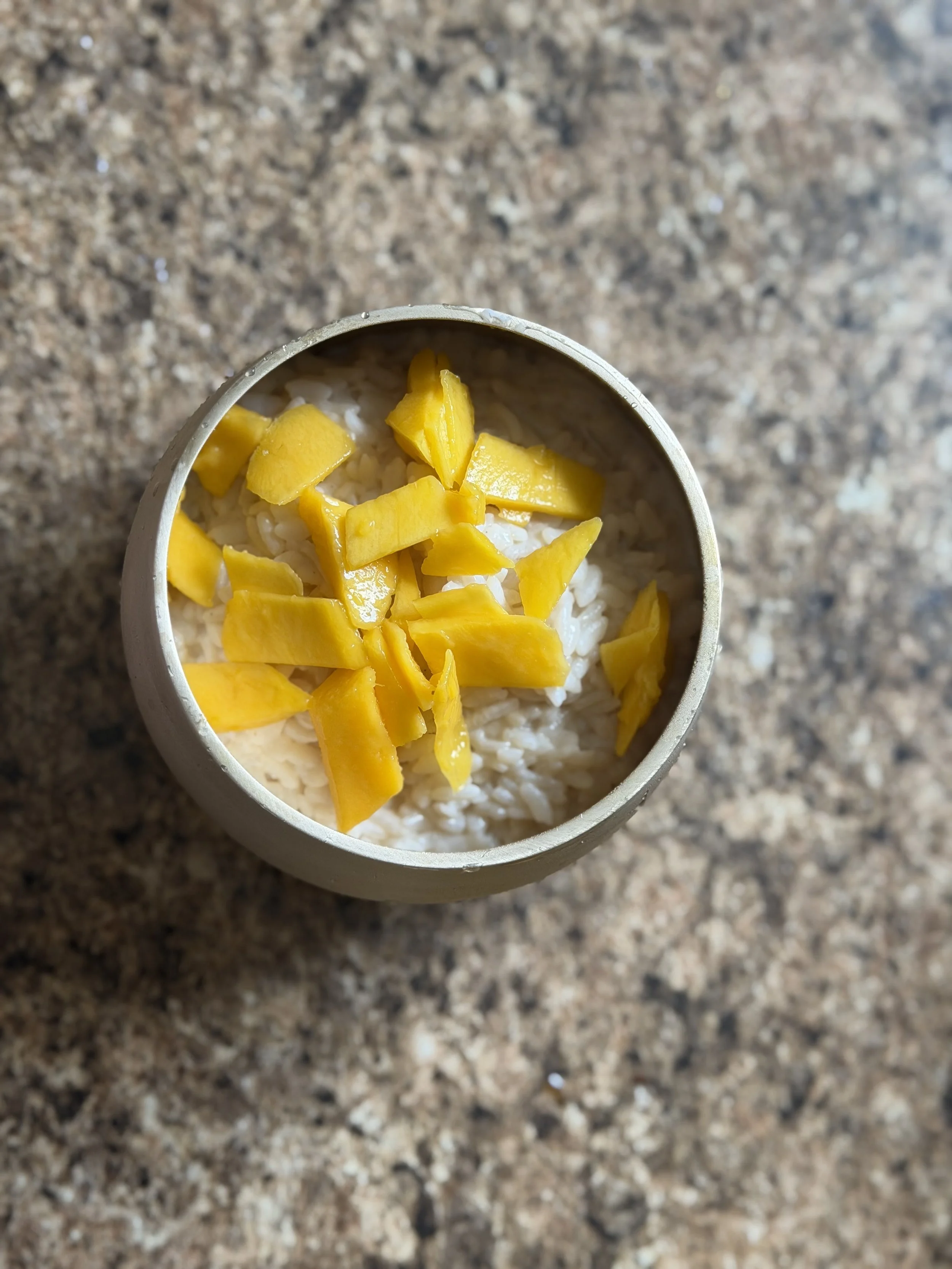
If you've recently discovered yugi (유기), welcome! These beautiful Korean traditional bowls have been used for centuries and are known for their timeless beauty, durability, and natural antibacterial properties. Unlike ceramic or stainless steel, yugi is made purely of 78% copper and 22% tinsel and is designed to age gracefully over time.
If you're investing in a Yugi, here's how to make it last long enough to hand down to your kids!
As mentioned in
Yugi isn’t for everyone.
It takes prep and care (see below) but it gets better with time. It’s an investment, but I love that it’s something we’ll use for generations.
I asked for code MUMWITHABUN to get you $10 off if you’re interested after this read.
(Currently, my code works for your first 2 purchases — I’m not sure how long they’ll keep this discount available.)
One of first questions I had was:
"Why is my bowl changing color? Did I ruin it?"
The short answer is no! Yugi is a “living metal”. It naturally reacts to air, water, and the food you eat. That changing appearance is completely normal — and with proper care, your bowl can last for generations (literally).
Why Use Yugi?
For hundreds of years, Korean families (and royalty) have valued yugi because it is much more than just beautiful craftsmanship.
• Naturally helps inhibit bacterial growth
(ex: studies show it eliminates 99.9% of vibrio bacteria).
Bonus: The copper content makes it naturally self-sterilizing.
• Amazing at maintaining the temperature of both hot and cold foods. (Be careful, it can get quite hot!)
• Made without synthetic / chemical coatings and unwanted heavy metals (i.e. Nickel = disrupts the GI and much more) so there’s no toxins leaching into our family’s food. 100% Non-Toxic.
• Extremely durable and far less likely to chip or break than ceramic. I mean… it’s forged through a 9-step process of heating to over 1,200C repeatedly to make sure it doesn’t break/bend.
• Develops a rich, golden patina and character over time.
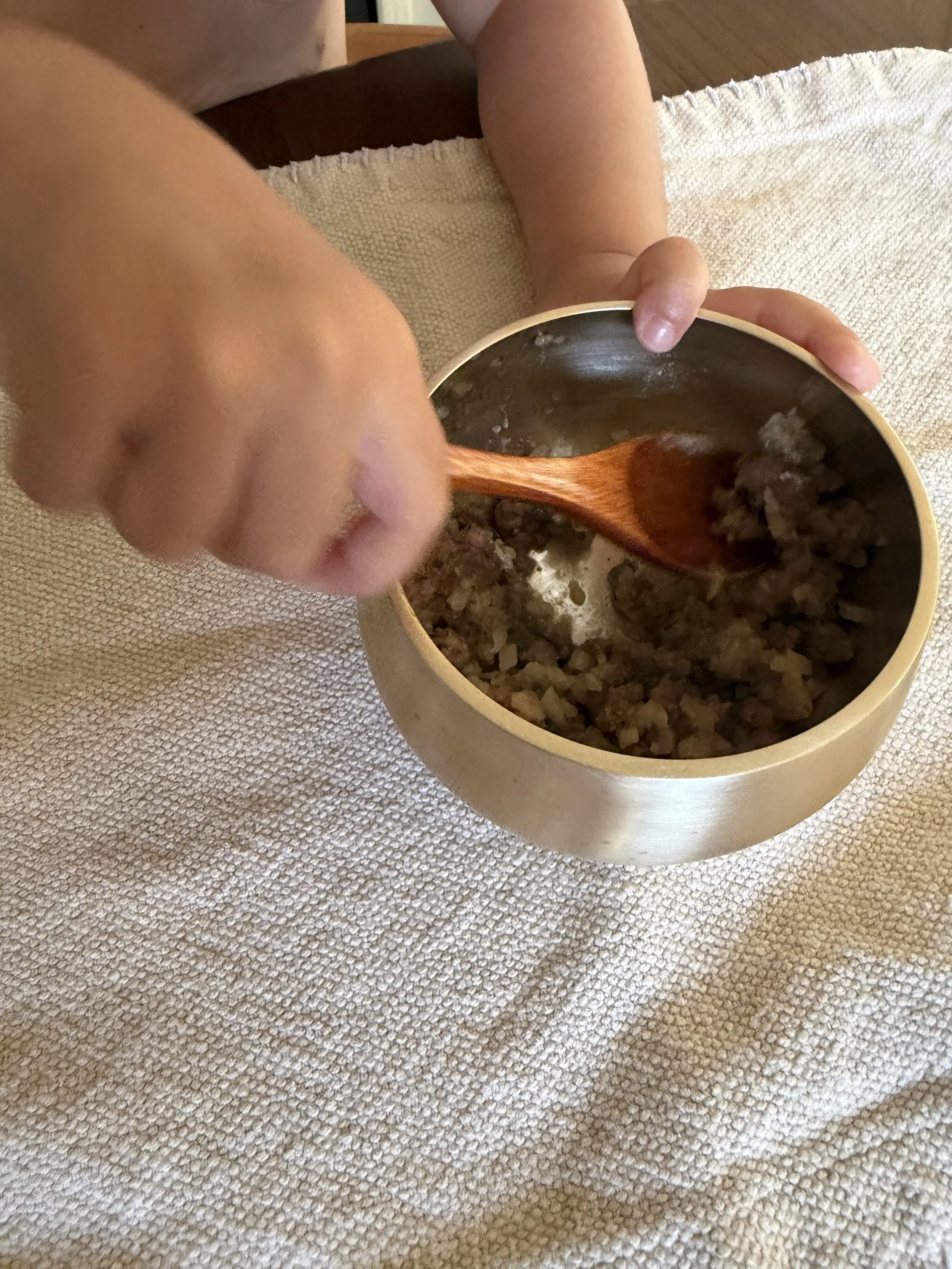
The rice bowl with the lid is my baby’s favorite… it’s my fav too…
With a bit of care, yugi becomes even more beautiful as it ages.
Fun fact:
Historically, Korean royalty used yogi to detect poison in food - the surface reacts visibly when it comes into contact with certain toxins or pesticides. Change of color = natural warning.
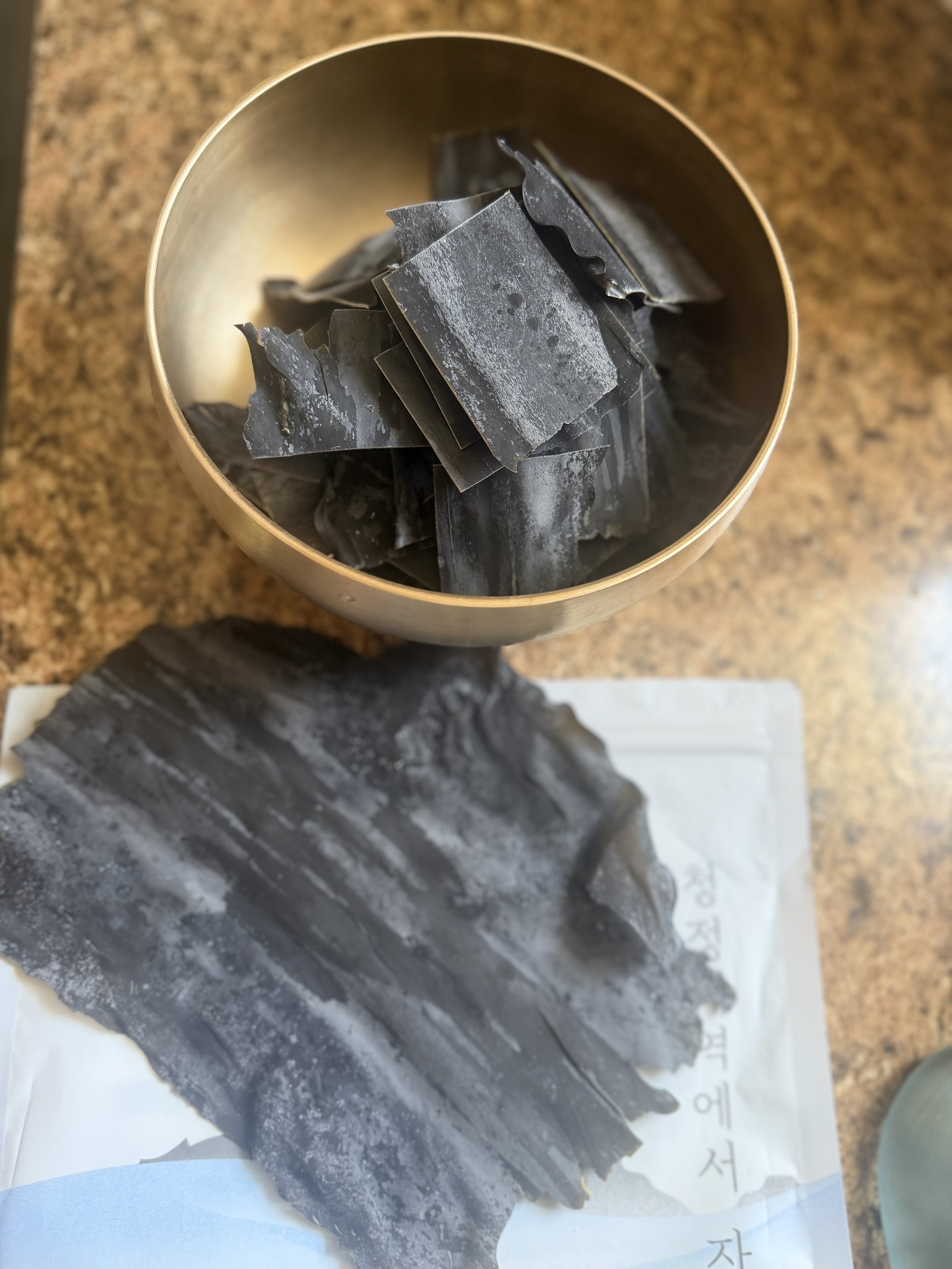
The medium one is a better size for bigger kids/adults.
Before First Use: "Breaking In" Your Yugi
Before using your new bowl for the first time, it's recommended to season, or "break in," the surface. (Like a cast iron!)
New yugi often has a metallic smell and hasn't yet developed its natural protective surface. (A.k.a. the oxide layer)
What is the oxide layer?
As copper is exposed to air, it naturally forms an incredibly thin protective layer called an oxide layer.
Think of it like the seasoning that develops on a cast iron pan.
It isn't dirt, damage, or rust.
Instead, it's a natural protective barrier that helps:
• reduce staining
• minimize the metallic smell
• make the bowl easier to maintain
• protect the brass underneath
The vinegar soak helps clean the fresh surface so this protective layer develops more evenly during use.
How to “Break-In” Your Yugi Bowl
You'll only need to do this once before using your bowl for the first time.
Step 1
Fill a bowl or sink with lukewarm water.
Add vinegar using approximately a 30:1 water-to-vinegar ratio (roughly 2–3 tablespoons of vinegar in enough water to fully cover your bowl).
Step 2
Submerge the bowl completely.
Let it soak for 30–60 minutes.
Step 3
Wash gently with a soft sponge and a mild dish soap.
Step 4
Rinse thoroughly.
Step 5 (Most Important!)
Immediately dry the bowl completely with a soft towel.
Do not allow it to air dry.
The First 1–2 Weeks
During the first couple weeks, your bowl is still developing its protective surface.
Try not to let food sit in it for long periods.
After eating:
✔ Wash promptly.
✔ Dry immediately.
This is the easiest way to prevent staining.
Everyday Cleaning
Daily cleaning is simple.
Use:
• a soft sponge
• mild dish soap
• lukewarm water
Wash as you normally would.
Then immediately dry the surface with a clean towel.
Why I shouldn’t let it air dry?
Water droplets left on copper/tinsel can leave mineral spots and discoloration in the exact shape of the droplets.
Simply drying your bowl right away prevents most staining before it ever starts.
Foods to Avoid Leaving in the Bowl
Yugi reacts naturally with acidic and salty foods.
Try not to let these sit in your bowl for long periods:
• vinegar-based sauces
• soy sauce
• pickled vegetables
• salted seafood
• highly acidic foods (ex: tomato)
After eating, simply wash your bowl as soon as you can (:
"Why can't salty or acidic food sit in it?"
Because chemistry.
Brass naturally reacts with:
salt
acids
oxygen
moisture
Leave soy sauce sitting overnight?
The brass underneath that puddle reacts faster than the rest of the bowl.
Worst case?
You'll get:
dark spots
uneven tarnish
occasionally green oxidation (especially if moisture sits for days)
The bowl isn't ruined.
It just needs polishing.
This is the part I think people misunderstand.
Nothing catastrophic happens.
It's more like... "If you spill coffee on white marble overnight, it might stain."
The marble isn't ruined. You just created a little more work.
It's quite simple:Wash it.
Dry it.
Don't leave soy sauce in it for three days.That's honestly 95% of care.
My Bowl Changed Color. Is That Normal?
Yes!
Over time your yugi may become:
• darker
• warmer gold
• brown
• gray
• slightly green in areas if moisture or salt has been left on the surface
This is completely normal.
Most discoloration is cosmetic and can usually be removed. Here’s how:
How to Remove Stains or Tarnish
For discoloration, use a dedicated yugi/brass scrub pad (the black scrubber sold specifically for yugi - I like to cut it into ¼ pieces so it’s a 4 in 1 deal - you really don’t need the whole thing in my opinion).
Important: everything must be completely dry.
Do not wet the bowl.
Do not wet the scrub pad.
Gently scrub in one direction, following the natural grain of the metal.
As you scrub, you'll notice a fine black powder.
That's simply a tiny amount of oxidized brass being removed—it's completely normal.
Once the discoloration is gone:
• wash with mild dish soap
• rinse
• dry completely
Your bowl's soft golden glow should return.
As your yugi becomes well seasoned with regular use, you'll likely find you need this scrubber less and less.
The Lines Aren't Scratches
If you look closely, you'll notice faint lines running in one direction across the surface.
These are not scratches.
They're polishing marks left during the traditional finishing process.
When removing discoloration, always scrub with these lines—not across them.
"I scrubbed against the grain... did I ruin it?"
Nope.
The bowl isn't ruined.
The "grain" on yugi isn't like wood grain—it's the direction of the final polishing marks left by the craftsman.
Scrubbing with the grain simply keeps the finish looking more uniform.
If you scrub across it:
you may create very fine hairline polishing marks that catch the light differently
the finish might look slightly hazier in one area
But because yugi is solid brass (pure copper & tinsel - it’s not just plated), those marks can blend over time with normal use or future polishing. You didn't permanently damage the bowl.
Long-Term Storage
If you won't be using your bowl for a while:
• wash it
• dry it completely
• wrap it in newspaper or seal it in a plastic bag
Goal: Keep moisture and air away as that helps slow oxidation while it's in storage.
What NOT to Do
❌ Don't use steel wool or metal scouring pads.
❌ Don't use stiff plastic brushes that may scratch the surface.
❌ Don't leave salty or acidic foods sitting for hours.
❌ Don't leave the bowl wet after washing.
❌ Don't use the microwave or oven.
While some manufacturers state that well-seasoned yugi may be dishwasher-safe after the initial break-in period, I personally recommend hand washing to preserve its finish and help it last for generations.
"If it's so durable, why can't I use stiff brushes?"
This is one of the biggest misconceptions.
Durable ≠ scratch-proof.
Think about:
hardwood floors
cast iron
a wooden cutting board
a nice stainless steel refrigerator
They're all durable.
They all scratch.
Yugi lasts generations because the entire bowl is solid metal—not because its finish can't be scratched.
A stiff plastic brush probably won't destroy it.
It's simply unnecessary.
A soft sponge cleans just as well without gradually wearing the finish.
Final Thoughts
One of the things I love most about yugi is that it isn't meant to stay looking brand new forever.
Each meal, each wash, and each year adds a little more character.
With just a few simple habits—washing promptly, drying thoroughly, and occasionally polishing when needed—your yugi becomes a beautiful heirloom for decades - I can’t wait to have ours passed down for generations!