Soft French Omelette with Cheese (Beginner Friendly)
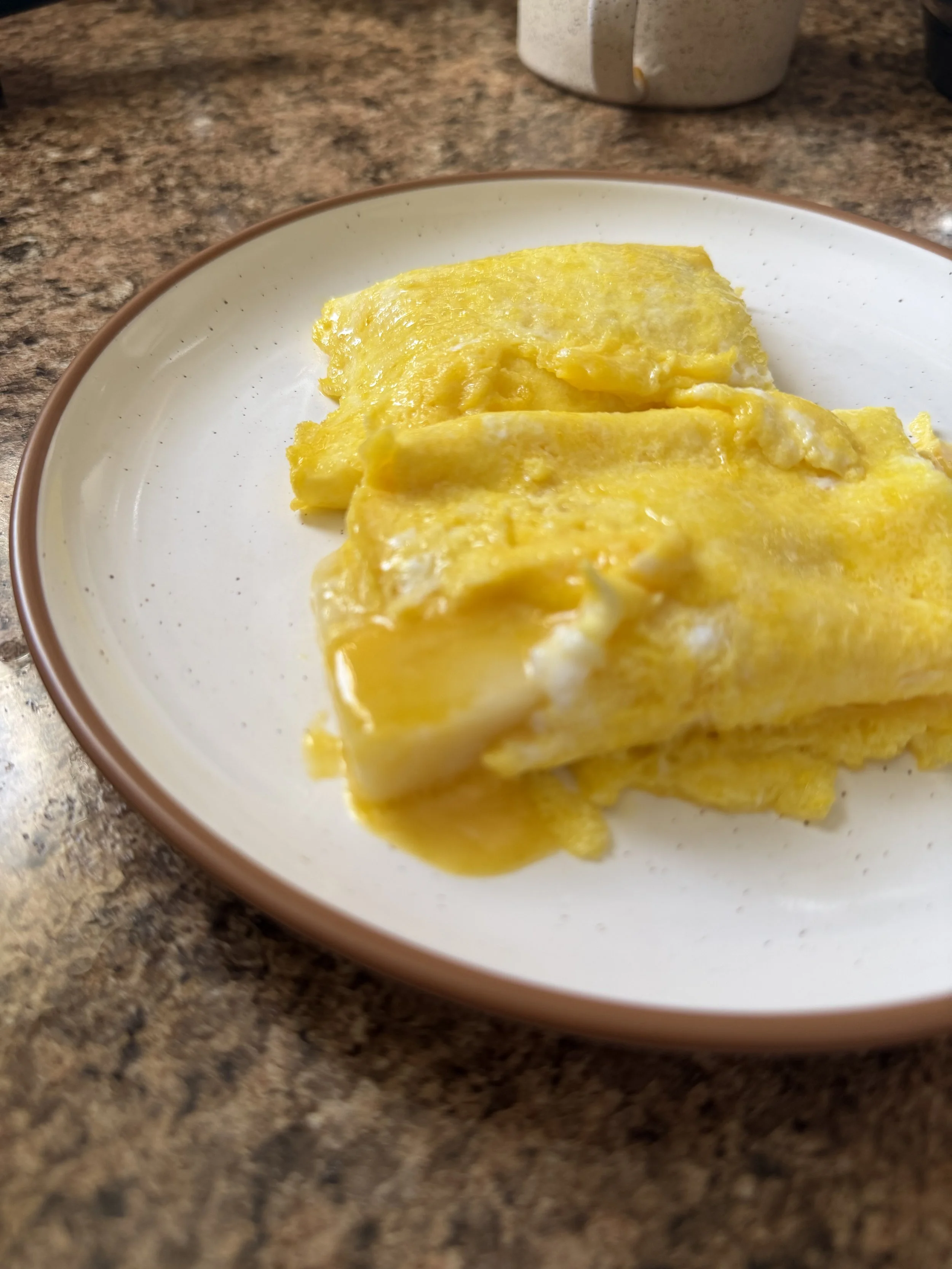
French Cheese Omelette (the only one I’ll eat)
Ingredients
1 tbsp grass-fed butter or tallow
3 quality eggs
look for soy/corn free (low PUFA) as testing indicates they have lower linoleic acid and higher nutrient density (Vit E, D3, K2). If you don’t have access to those eggs, organic / pasture-raised is your next best bet!
Raw gruyère cheese (sliced)
Sea salt
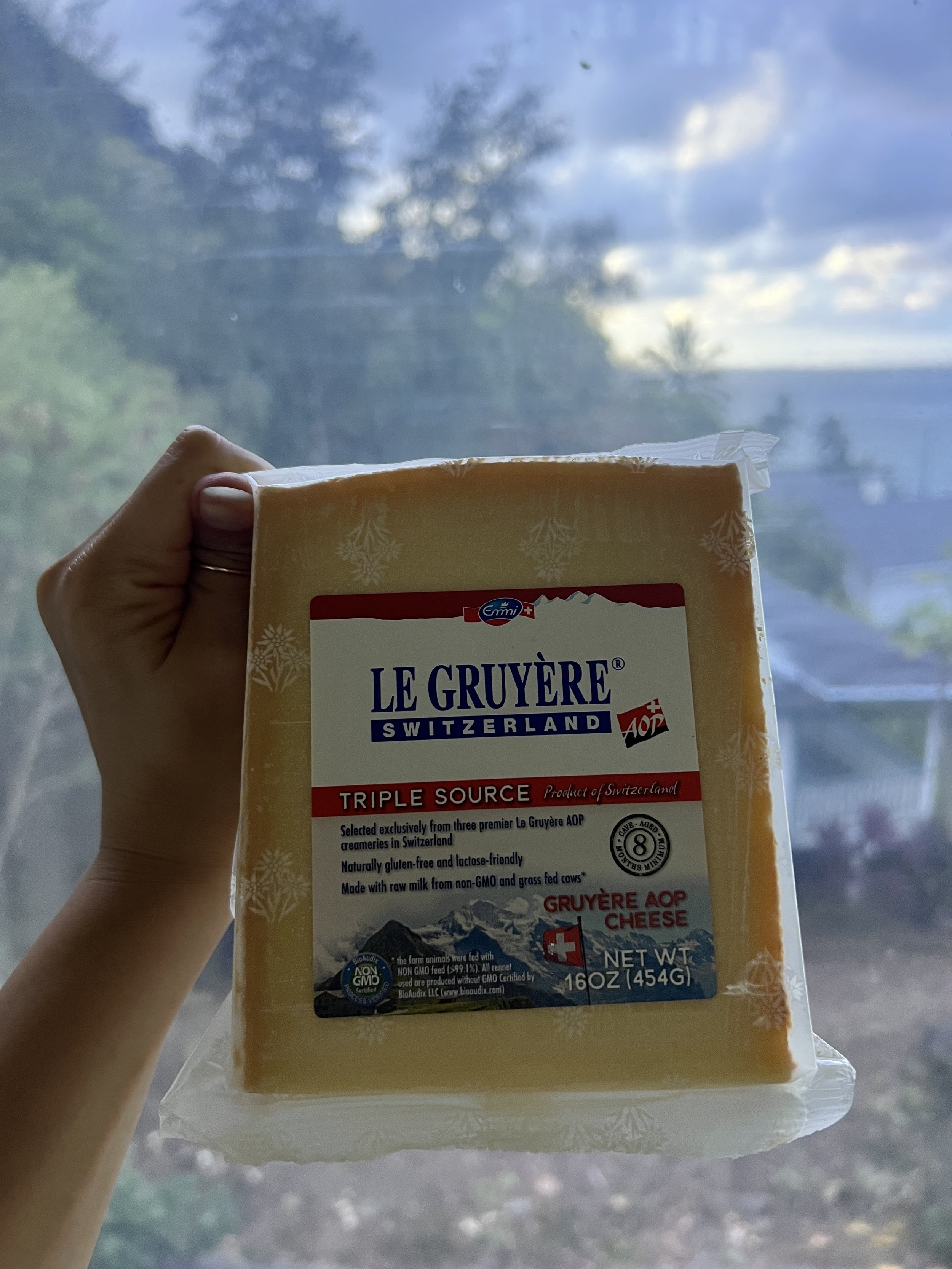
The “le gruyere” cheese I highly recommend (from Costco) for this recipe.
Method
Heat stainless steel pan over medium heat
Fully melt butter (don’t rush this)
Vigorously whisk eggs
Pour into pan + stir gently
When ~¾ set, add cheese slices
Fold + remove from heat
Finish with sea salt
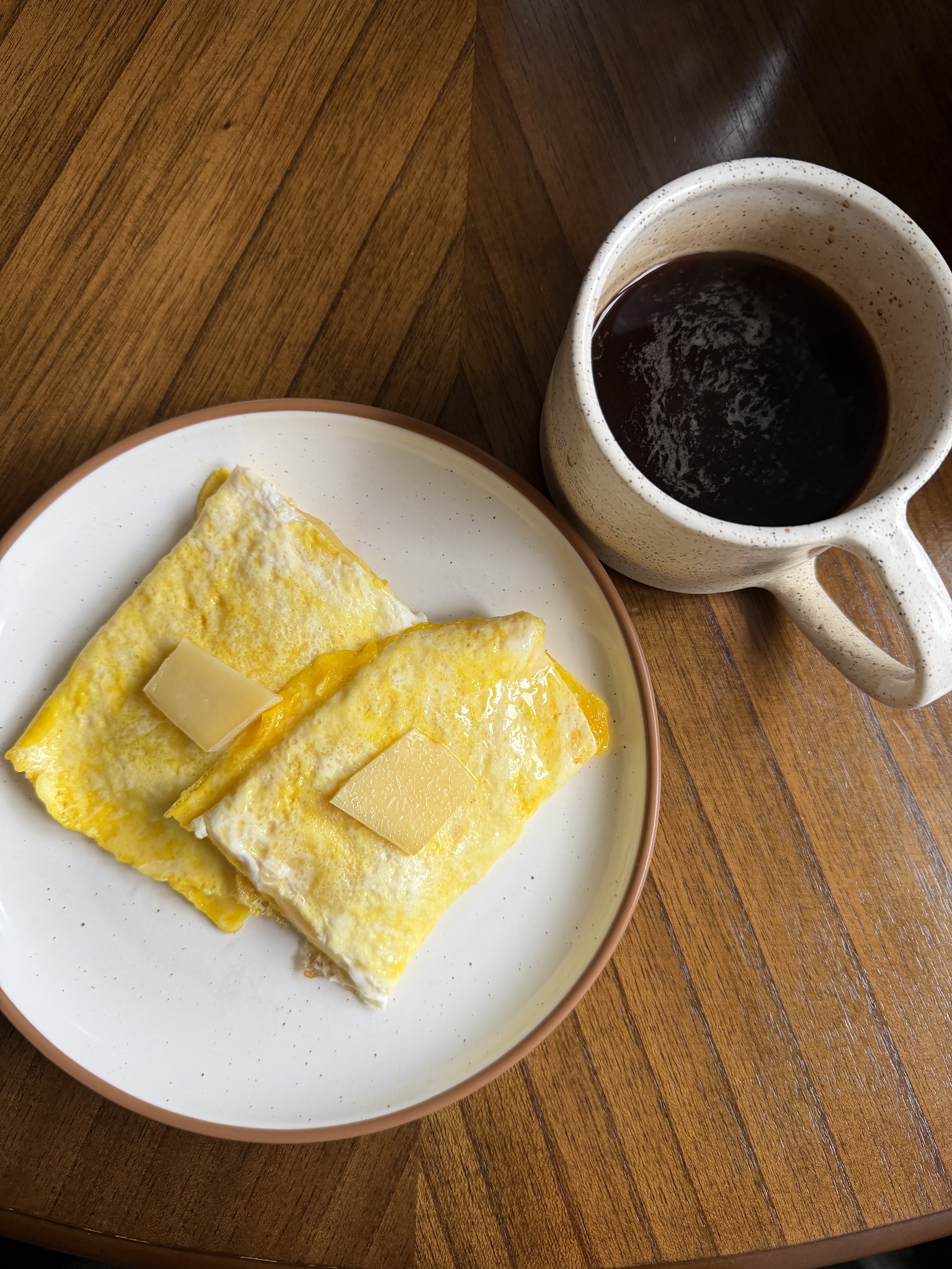
Serve immediately… preferably with mold-free coffee ☕️
(the coffee actually brings out the butter flavor!)
Why this meal is >
Egg yolks = rich in choline → supports baby’s brain development, mum’s liver + overall health for babies in utero / breastfeeding mums, and really anyone (of course, this does not apply to those with egg yolk allergies).
For those fearing cholesterol → “Cholesterol is vital to normal brain function including learning and memory” - PMID: 20470821
More studies have been showing the benefits of cholesterol for brain health.
Why I’m passionate about this topic → I’ve personally witnessed how higher/healthier cholesterol levels have helped my own father’s memory vs when he was on statins and had low cholesterol levels.
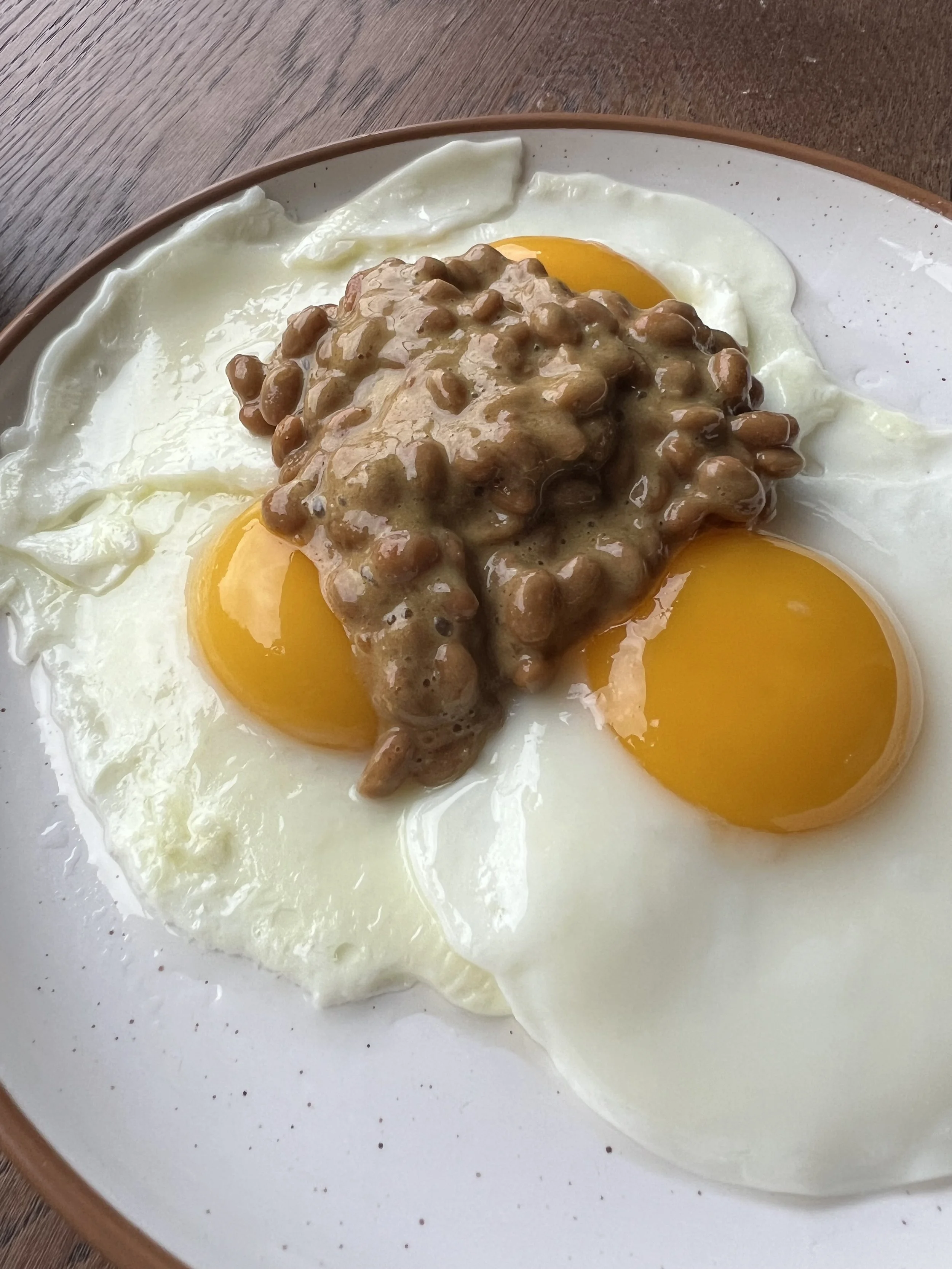
Why I aimed to eat 3–4 eggs daily for the past 3 years
Eggs are one of the richest sources of choline.
Choline is critical for a baby’s brain and neural tube development—and equally important for the mother. It supports liver function by helping move fats out of the liver, which matters even more during pregnancy and postpartum.
The problem:
~90% of pregnant women don’t meet even the minimum recommended intake. Most prenatals don’t include enough.
Choline from the maternal diet is also actively transferred to breastmilk, meaning your intake directly impacts your baby beyond pregnancy.
(PMID: 38257153)
And then there’s cholesterol—something we’ve been wrongly taught to fear.
In reality, it’s essential for brain development, hormones, and cellular health.
What I mean by “quality eggs”:
• Soy/corn-free (lower PUFA)
• Lower linoleic acid
• Higher nutrient density (Vit E, D3, K2)
If those aren’t accessible: go for organic or pasture-raised.
Studies:
https://pmc.ncbi.nlm.nih.gov/articles/PMC10820518/
https://pubmed.ncbi.nlm.nih.gov/38257153/