Organic White Rice Healing Porridge
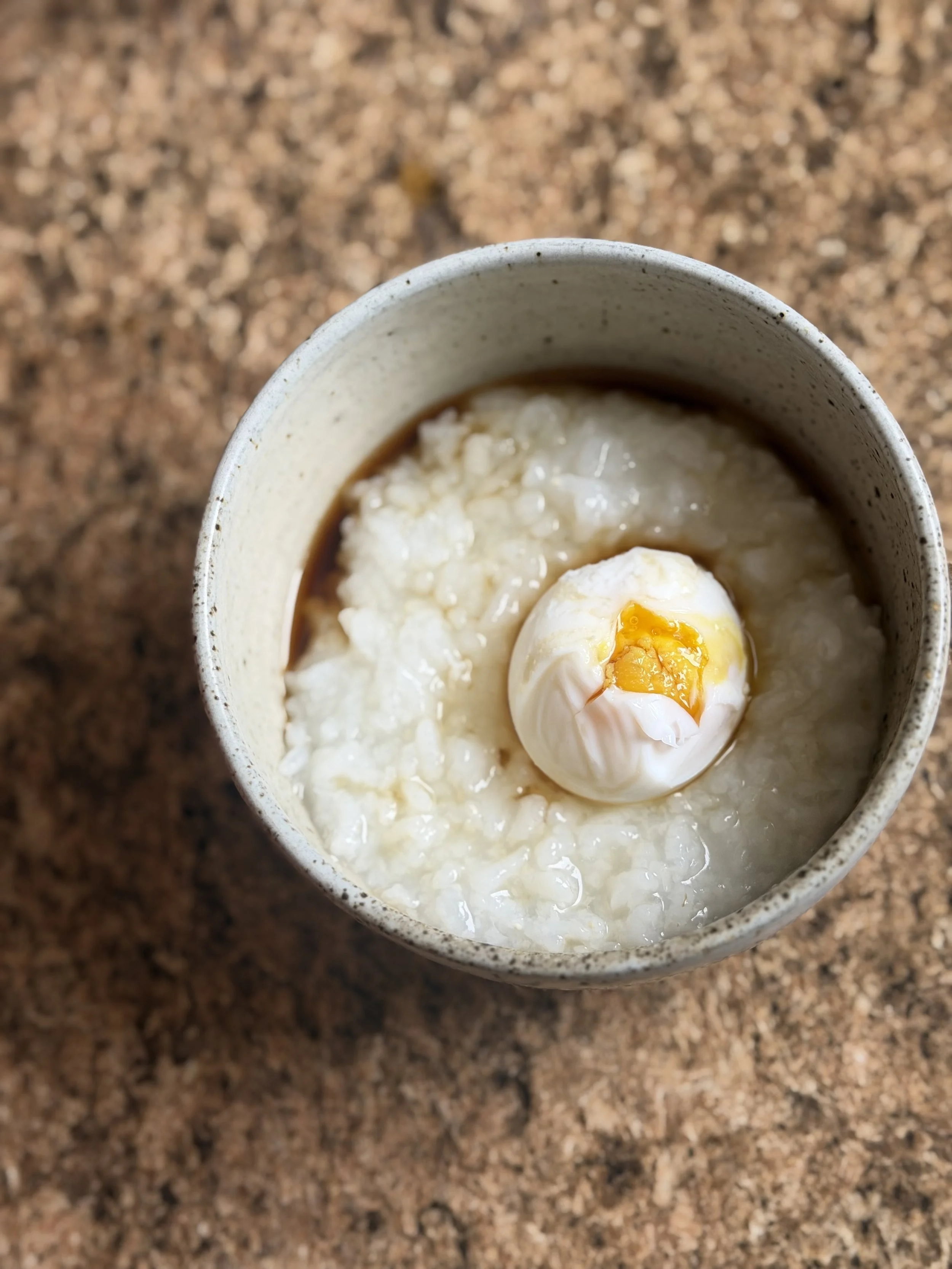
Anytime my digestion was extra sensitive (and unreliable) — I’m talking acute diarrhea & constipation — my mum would make me white rice porridge. It’s a Korean remedy she swears by and now I understand why.
I had my doubts. How can such a simple combo (rice + water) be such a powerhouse for those with tortuous tummy troubles?
I dug into the research to understand; turns out the science backs it up.
Plain [high-quality] white rice cooked right = quenches thirst, gives steady energy, is low in fiber (brings the right consistency to stool), and is gentle on the gut.
But— as always, quality matters.
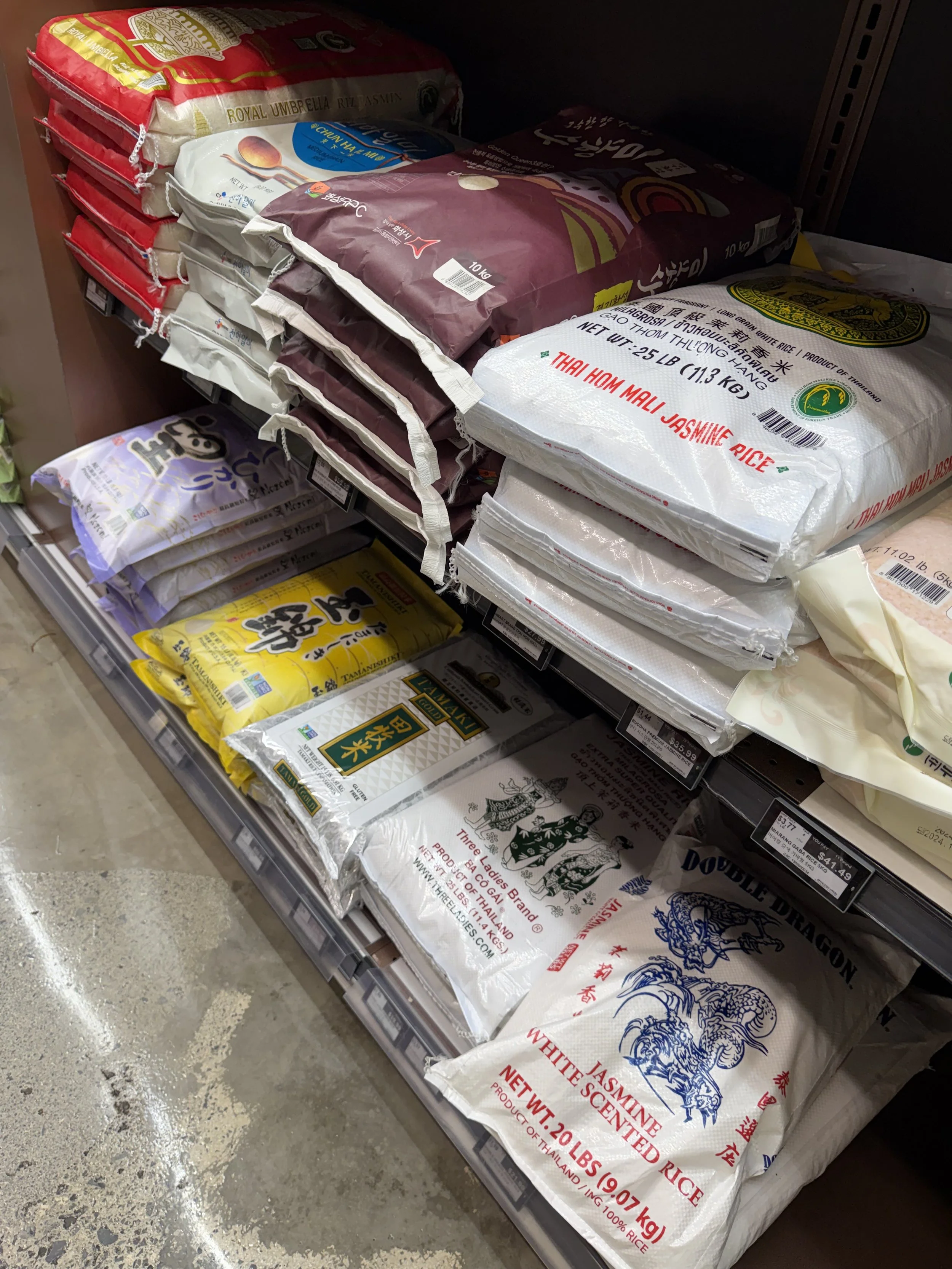
So many of you guys ask me what rice I use.
To be honest, I do a lot of research before purchasing anything, and I’m not satisfied with what I see at the asian marts (this is HMart)…
I'm currently using & loving Samgwang Organic White Rice for my family as they recover from a stomach bug.
This certified organic rice is allowed to mature slowly (the way God intended) without any pesticides (most rice paddies today are pools of “insect management”, chemicals, and preservatives.)
These organic grains undergo a rigorous quality management system in a mineral rich environment - earning them the title of “Top-Quality Rice” by the Rural Development Administration.
The care that's put into farming & freshly milling this rice (upon order) is something you can literally taste. It’s so pristine and is shockingly flavorful. It’s no wonder Michelin starred restaurants love using this glossy grain.
By the words of my husband, “This rice tastes… premium.”
With all the rices out there, here’s a quick breakdown of why I pick Organic Samgwang Rice.
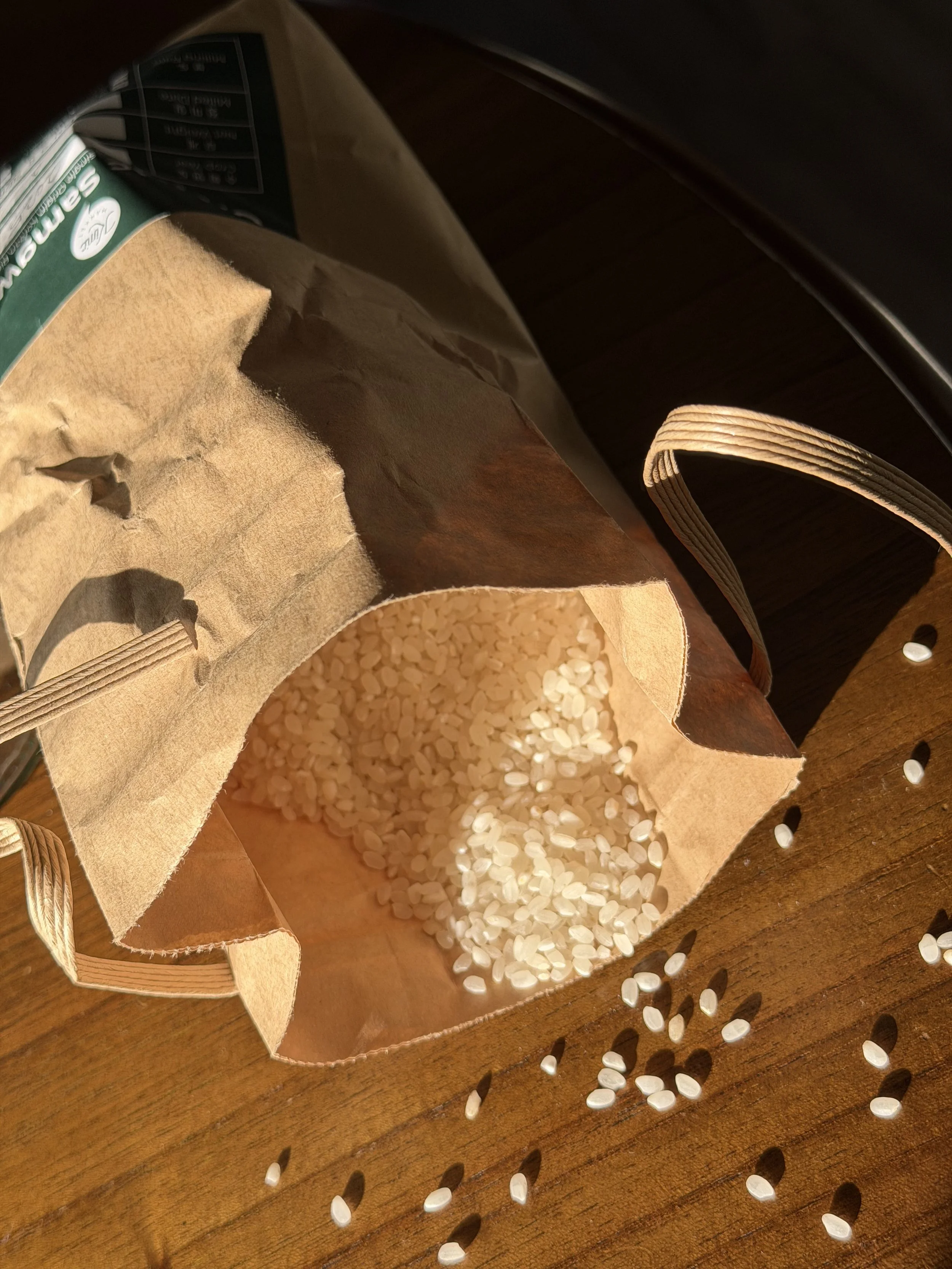
Why I Love Organic Samgwang Rice
It’s…
100% single origin Korean short-grain rice
Freshly milled in New York (once you order it)
Certified organic (a hard label to achieve in the rice world)
Premium quality you can genuinely taste
Naturally glossy, slightly sweet / nutty
High in amylopectin → creates a silky porridge (what we want for soothing and coating the digestive tract)
Extremely gentle on an irritated digestive system
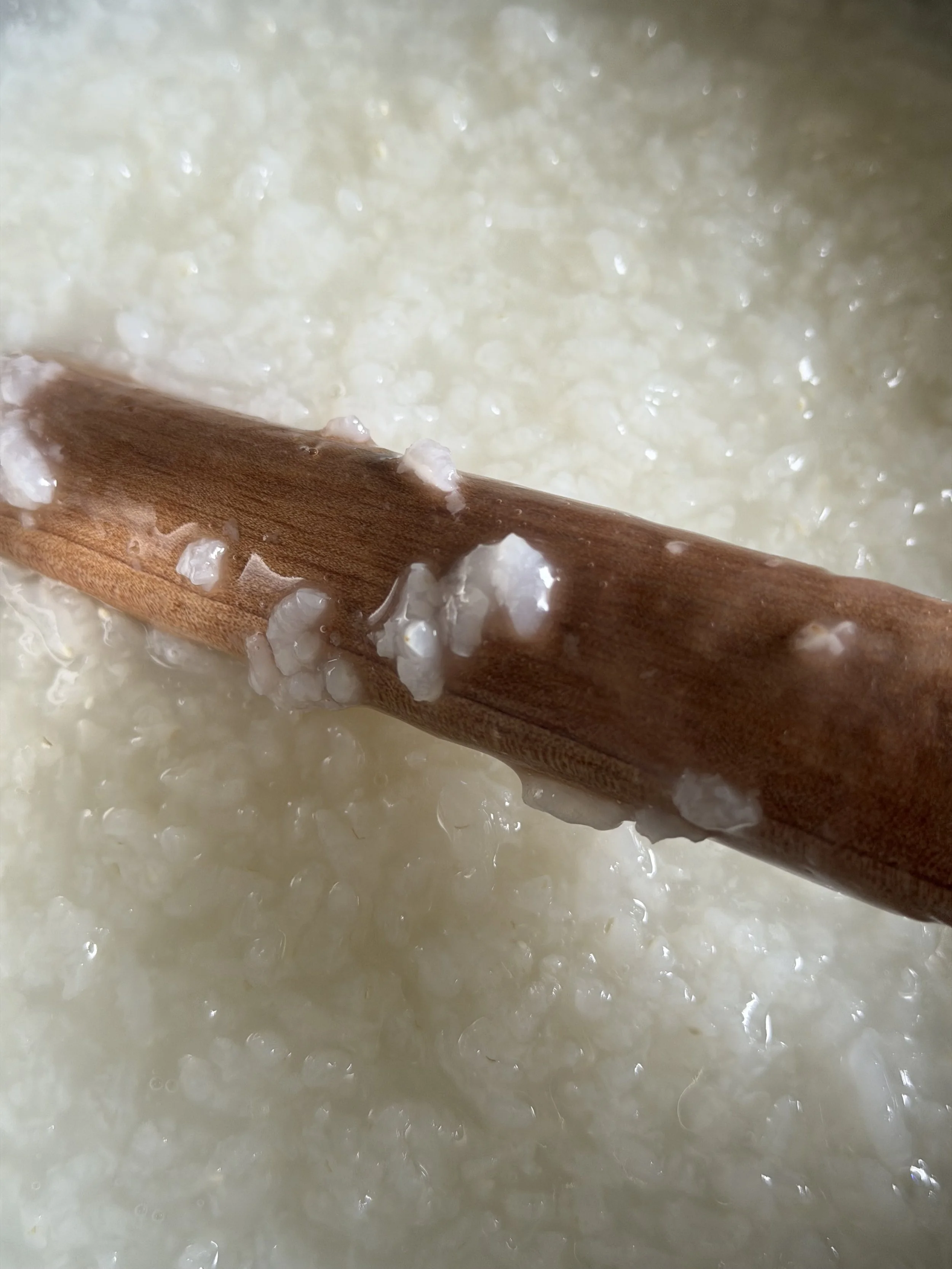
This short-grain rice makes a very viscous, soothing texture — ideal when the gut needs that “protective blanket” effect. You can see the glossy amylopectin, which has been shown to reduce the severity of diarrhea and provide quick energy when the body’s fatigued.
INGREDIENTS
300 g Organic Samgwang Rice (about 1½ cups)
9 c filtered water; feel free to add an extra cup if you want a thinner consistency
Optional add-ins: ¼ tsp sea salt, toasted sprouted pumpkin seeds, quality fish sauce
METHOD
1. Rinse Thoroughly
Rinse rice 2–3 times until water runs mostly clear.
2. Optional Soak (Highly Recommended)
Water-only soak 2-4 hours for easier digestion and smoother texture.
3. Slow Simmer to Maximize Starch Release
To a pot, add soaked & drained rice + 9 cups filtered water.
Bring to gentle boil, then reduce to low.
Simmer 45–50 minutes, stirring occasionally to prevent sticking.
For diarrhea support, slightly overcook — you want a soft, broken-down texture with milky rice water “broth”
The [rice] water is able to heal the lining of the gut and intestine which may be inflamed due to the various possible causes of diarrhoea.
4. Cool to Warm
Turn off heat. Let cool until comfortably warm to the touch.
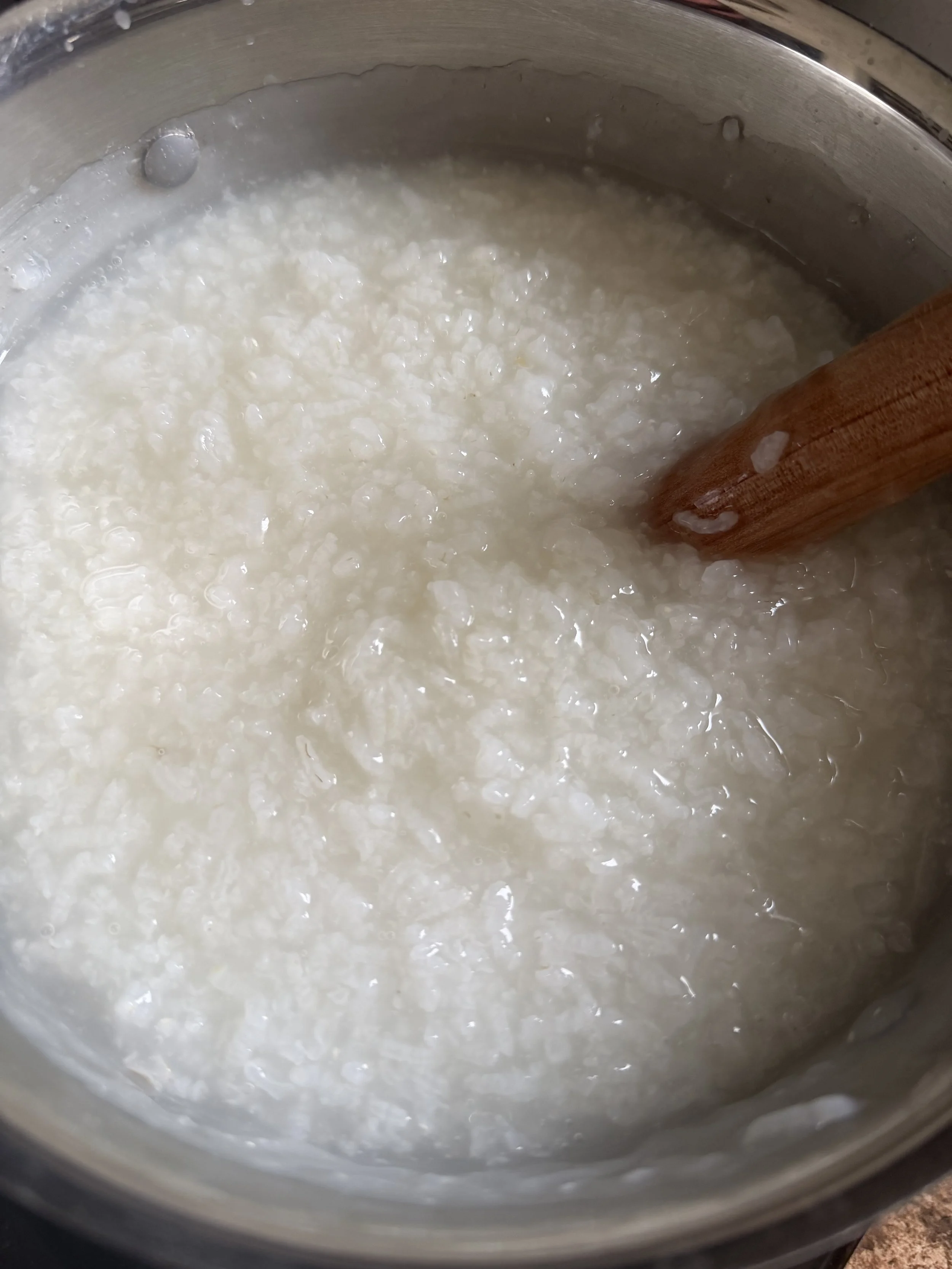
Large pot of simmering organic Korean white rice porridge with milky starchy broth texture.
5. OPTIONAL: Toppings
My family’s favorite: Sea Salt.
My kid’s fav: nori
My fav: this fish sauce (soy sauce alternative), soft boiled egg, toasted pumpkin seeds.
My husband’s: tabasco, soft boiled egg, fish sauce.
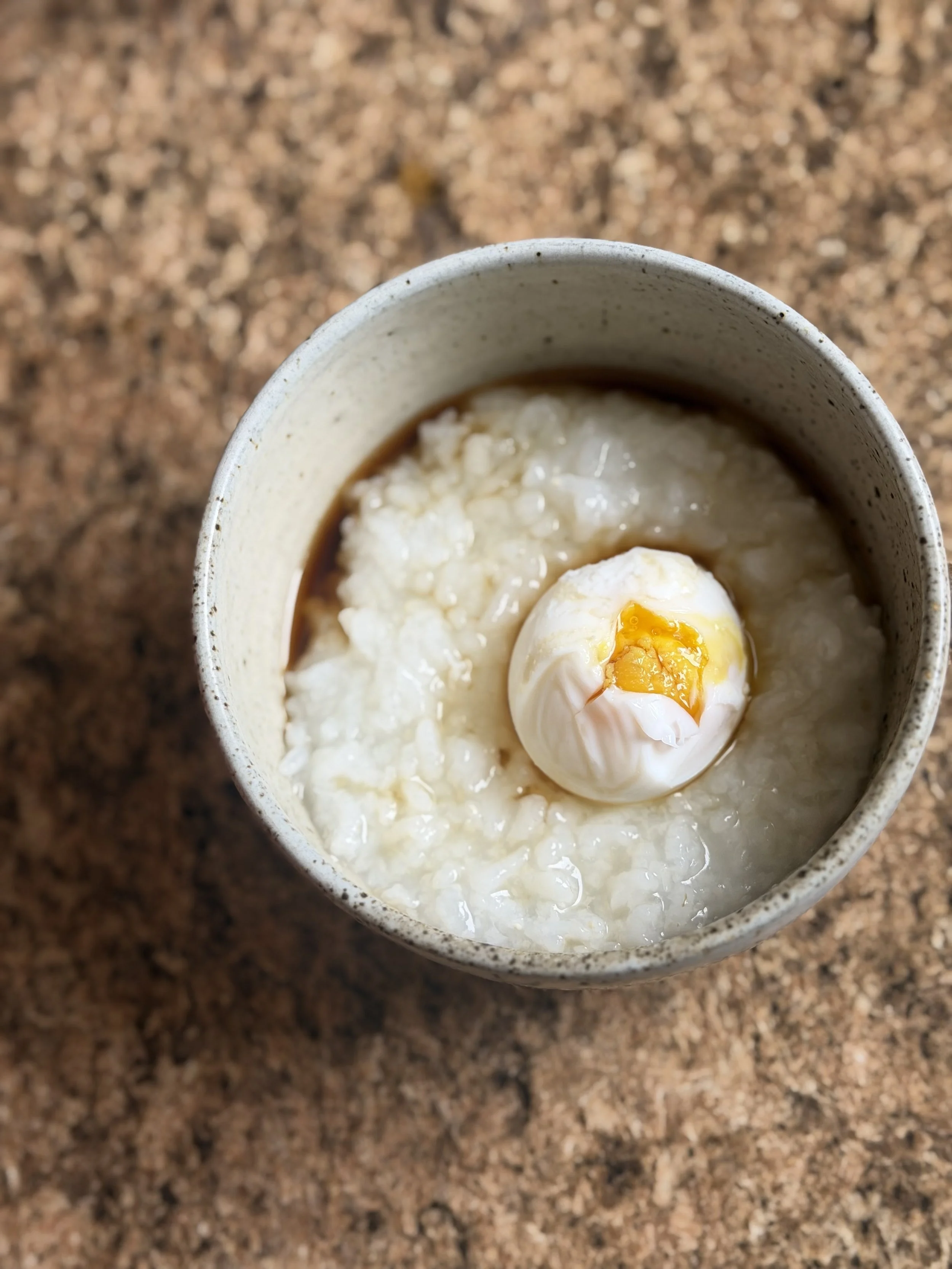
I added quality fish sauce & a soft boiled egg to mine. See below for why I recommend toppings for recovery phase gut nourishment
When To Eat This Porridge & How
For acute diarrhea / IBS-D flare ups:
Strain and sip just the milky rice water (esp when child’s refusing fluids) OR
Blend lightly for an extra-smooth porridge
For recovery phase (when you’re feeling a bit better):
Eat the whole porridge (softened rice included) for gentle nourishment
Why Organic Rice Matters For Gut Inflammation
When the intestinal lining is irritated/inflamed (ex: during times of diarrhea) the body becomes more sensitive to:
Pesticide residues
found in conventional / non-organic grains
Mold toxins
Psst, coffee drinkers! Look for mold-free options. Coffee is the most mold-prone crop in the world. If it doesn’t say “mold-free” it is safe to assume there’s mold in it.
Here are the 3 that are meticulously tested and confirmed free of mold (My coffee bar is stocked up on all of these):Lineage Rewild Roast (code MUMWITHABUN)
Equip Clean Coffee I love both the decaf & regular (code MUMWITHABUN)
Purity Coffee (code MUMWITHABUN) 20% off for new customers
Chemical processing
Choosing certified organic rice reduces inflammatory burden — especially important for children, postpartum mothers, and anyone on the gut-healing journey.
Storage Tips
Store in glass jar
Refrigerate immediately after cooling
Use within 2-4 days
Reheating: add a cup of filtered water, stir well & reheat (bring to a simmer) over the stovetop before serving
Stir well before serving (separation is normal)
My Thoughts: Ancient Wisdom + Modern Science
Rice water & rice porridge is timeless.
Across cultures, rice porridge has been the first food given during illness for good reason:
It gently and effectively hydrates the body & soothes the gut.
It nourishes without overwhelming the digestive system.
If you leverage the silky properties of high-quality Organic White Rice, you’re in for a low-inflammation, gut-supportive base dish deeply rooted in traditions around the world and well supported by research.
FAQ
Should I Soak & Sour White Rice for Diarrhea?
If you’ve been here long enough, you know that I (almost always) soak rice with apple cider vinegar (ACV) for hours before cooking — which is great for mineral absorption and digestibility in everyday cooking.
But during acute diarrhea, the goal is very different. For Active Diarrhea (Loose Stools, Gut Irritation) I would not recommend souring with ACV.
Here’s why:
ACV alters the pH → this step can add acidity to an inflamed gut lining (which comes hand in hand with active diarrhea)
We want soothing + neutral, not acidic
For acute diarrhea, think:
Gentle, bland, coating, calming. Thus I have this METHOD listed above
Rinse well
Soak in plain filtered water for 2–4 hours (quite helpful)
Cook long to release more starch (be patient - it’s worth it!)
What you get:
Easily digested meal
More gelatinized starch (greater protective effect)
🌿 For Those in the Recovery Phase
(AKA When Stools are Improving / Appetites Back!)
Once diarrhea is slowing and you’re in recovery mode:
You can do a light soak with a very small splash of ACV (½–1 tsp max) for 4–6 hours.
But I still wouldn’t “sour” it aggressively like I often do for mineral optimization.
In short, for diarrhea recovery:
Neutral > acidic
Simple > fermented
Is a 4 or 6 Hour Water Soak Better?
For white short-grain rice like Organic Samgwang Rice:
2 hours = good
4 hours = great
6 hours = fine
Longer soaking:
Softer structure
Better digestibility
Shorter cooking time
Smoother porridge texture
You sure adding egg + fish sauce is a good idea?
This depends on the stage of recovery.
During Active Diarrhea (Think: usually the first 24–48 hrs)
Keep it super simple:
Rice porridge
Pinch of sea salt
Maybe a small amount of nori crumbled on top
Save for recovery phase:
Fish sauce / Kimchi (high sodium + fermented)
Egg (protein digestion requires more effort)
Scallions/green onions (vegetable digestion requires more effort)
Favorite oil drizzle (fat digestion requires more effort)
Even though protein like egg is gentle enough for some, during active diarrhea the gut’s enzyme production can be reduced. Too much protein/veggies/fat early can cause bloating or prolonged diarrhea.
During Recovery Phase
(Appetite Has Returned)
Now is when you can add more toppings (:
Soft Egg = Egg-cellent Choice
Provides glutamine + amino acids for gut repair
Easy to digest if softly cooked
Adds nourishment without heaviness
Best way:
Whisk an egg and slowly drizzle into hot rice porridge (egg-drop soup style)
OR add a very soft poached egg
High-Quality Fish Sauce
This is culturally relevant, beautiful and comforting — but again the timing of reintroducing depth matters.
Pros:
Provides sodium (a good thing especially after fluid loss)
Adds umami = encourages appetite further!
Contains amino acids
Cons:
Fermented = higher histamine can irritate sensitive gut lining
My suggestion:
Add ½–1 tsp only only once stools are improving
Skip if histamine-sensitive
General Rule for Gut Healing
When inflamed: Simplify, neutralize, soothe.
When recovering: Rebuild slowly, healing is just around the corner!